Beach Buggy Racing 2
Popular Games
Last Played
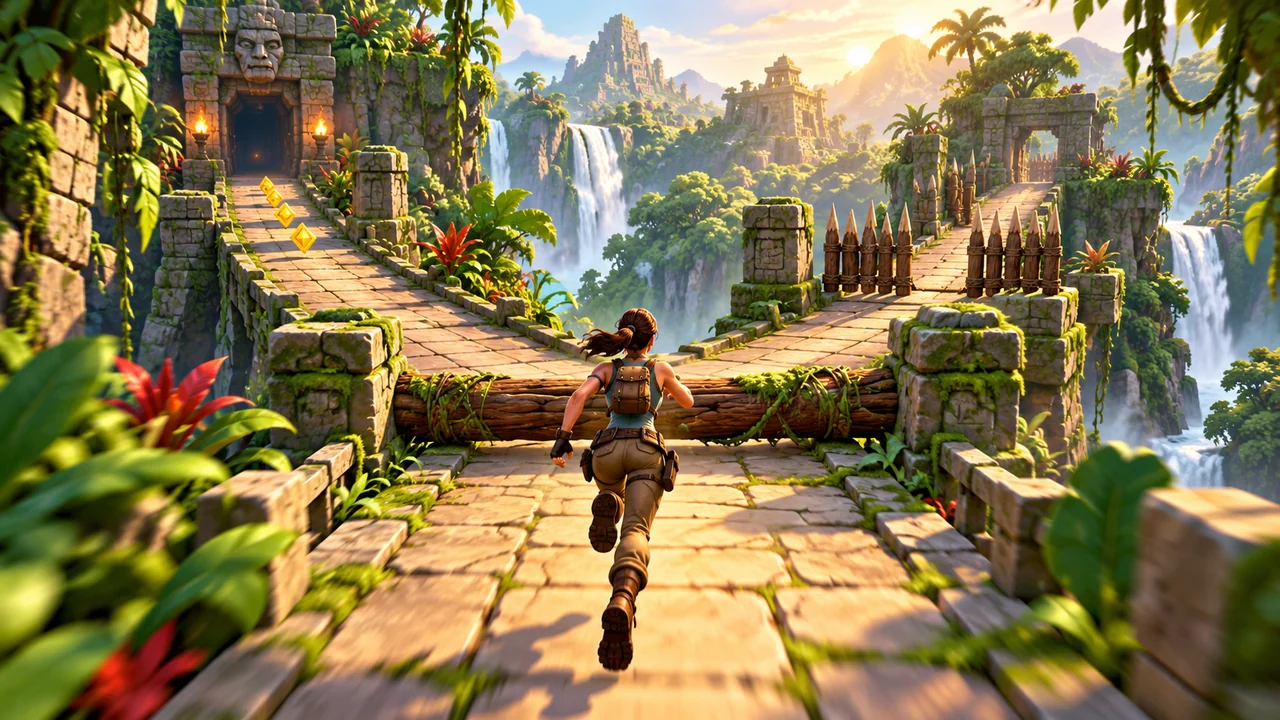
Endless runners are easy to start and surprisingly difficult to play consistently. The character keeps moving, the track asks for quick choices, and a small late input can end a promising run. Better results usually come from building a calm routine rather than reacting harder. Look farther down the path, make each movement for a clear reason and use every run to learn one useful pattern.
Your character is already near the bottom of the screen, so watching only that spot leaves little time to react. Scan the track farther ahead and identify the next obstacle or opening before it reaches you. Then bring your attention closer as you make the move. This creates a simple loop: look ahead, choose a lane or action, confirm the character has responded, and return your eyes to the next section.
Try not to stare at every coin, decoration or score change. Visual effects can pull your attention away from the path. Decide whether an item is safely reachable before changing direction for it. If collecting it would put you into an unclear obstacle sequence, keep your current route. A clean run gives you more chances to collect items later.
On a track with multiple lanes, a lane change should solve a problem or set up the next section. Moving back and forth without a plan makes it harder to know where you will be when an obstacle arrives. When you see an opening, commit to it with one clear input and check the result. If the path ahead changes again, choose the next move based on what is visible rather than repeating the previous gesture.
Leave yourself options. If two lanes appear open, the better choice may be the one that keeps an escape route available for the next obstacle. In a narrow sequence, avoid moving into a lane just because it looks empty at the nearest point; inspect the track beyond it. This small habit reduces last-second reversals.
In Temple Run 2 - Tomb Runner, use a run to practice reading the upcoming path and timing each action, rather than treating every coin as mandatory. Focus first on staying in control through the next obstacle sequence; a longer run will naturally give you more opportunities to explore the game’s challenges.
Jumping, sliding and turning each solve different problems. Learn the visual cues that tell you which action is needed and how much time you have before the obstacle reaches the character. If a barrier requires a jump, pressing too early can waste the action before the character arrives; pressing too late may not leave enough time. Practice the timing in a familiar section and notice where the movement begins and ends.
Some obstacles appear in combinations. Treat the sequence as a short pattern instead of a single surprise. For example, an opening followed by a low barrier may require you to choose the lane first and then slide, while another arrangement may reward staying centered. The exact pattern depends on the game, so let the visible track guide you rather than relying on a memorized gesture that may not fit.
As the run gets faster, frantic tapping can make inputs less reliable. Use decisive gestures and allow a brief moment to see the result. If the game increases speed or adds more obstacles, narrow your focus to the nearest meaningful decision. You do not need to solve the whole track at once. A controlled sequence of small choices is easier to manage than trying to predict every obstacle far into the distance.
Power-ups and temporary boosts can change the rhythm. Learn what each one does before relying on it, and watch how it affects visibility and control. If an effect makes the screen busier, keep your attention on the track edges and obstacle shapes. Do not chase a bonus if doing so breaks your route through a difficult section.
When a run ends, identify the moment that caused it. Did you react after the obstacle was already close? Did you make an unnecessary lane change? Did a gesture register differently than expected? One precise answer helps you adjust the next attempt. “I need to focus” is too broad; “I should look one obstacle farther ahead before switching lanes” gives you something testable.
If a mistake happens because the screen is crowded, try watching the spaces between obstacles as well as the obstacles themselves. Open lanes are easier to recognize when you are not fixated on a single object. If a touch or swipe feels inconsistent, hold the device comfortably and use a movement size that is easy to repeat. Small, deliberate corrections are often more reliable than wide gestures.
Set one goal for the next few runs. You might focus on avoiding optional detours, using the correct action for each barrier, or maintaining a steady lane through a familiar stretch. When you meet that goal, choose another. Keeping a practice goal separate from a score goal makes progress easier to notice even when a run ends early.
It can also help to pause briefly between attempts. A short reset prevents frustration from carrying into the next run and gives you time to remember what worked. If you repeatedly fail at one kind of obstacle, watch its approach and make one change to your timing. Avoid changing your route, gesture size and focus all at once, because then you will not know which adjustment helped.
Long runs are made from many ordinary decisions: stay on a clear path, move before a lane closes, use an action at the right moment and return attention to what is coming. A flashy move may save one section, but dependable habits carry across a whole session. Once you can handle familiar patterns consistently, you can experiment with riskier routes and optional rewards.
Endless runners always introduce another obstacle or combination, so improvement is less about memorizing one perfect route and more about responding well to new information. Scan ahead, make a clear choice, verify the result and learn from the next run. That routine keeps the game readable even as the pace rises, and it makes each attempt feel more intentional.