
Beach Buggy Racing 2
Popular Games
Last Played
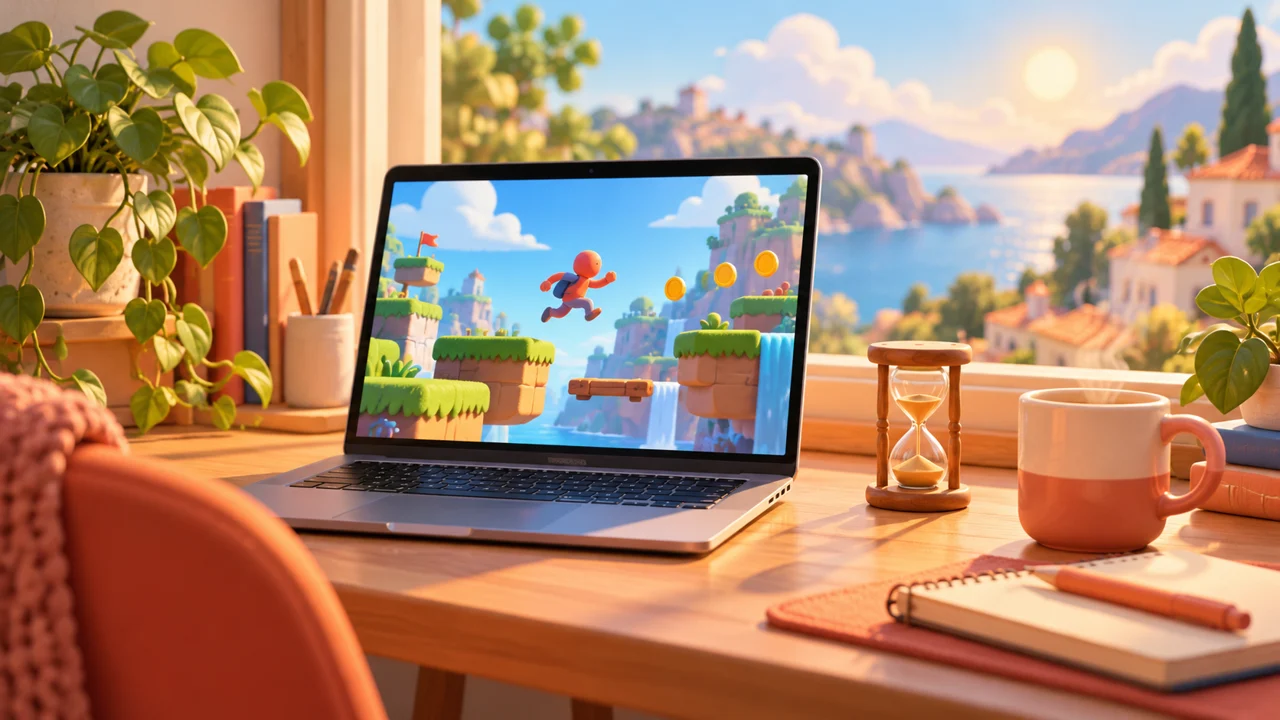
A short gaming break works best when choosing the game does not consume most of the time you meant to spend playing. A busy catalog can make that surprisingly easy: one thumbnail leads to another, several unfamiliar games stay open, and the break ends before a satisfying session begins. Choosing with a little intention changes that experience. Think about the time available, the kind of attention you want to use, and how comfortably you can stop. The right choice does not have to be the newest or most demanding game. It has to fit this particular break.
There is a useful difference between having a spare moment and having enough time to learn a new system. If your break is very short, a game with familiar controls may be more enjoyable than one that asks you to absorb several instructions. With a longer interval, exploring something unfamiliar can be part of the fun. Decide which situation applies before browsing. This simple step narrows the choice without requiring a strict schedule. It also prevents disappointment when an interesting game needs more attention than you can reasonably give it right now.
Allow room for opening, loading, and understanding the game. Browser titles vary in how quickly they become playable, and your connection or device can affect that experience. Do not assume every page will start instantly. If the available time is limited, choose a game you have already tried and know how to begin. For a new title, read the controls before starting a timed or continuous mode. A little preparation can make the actual play feel more relaxed because you are not using the opening seconds to discover basic actions through repeated mistakes.
Different breaks call for different kinds of involvement. You might want a quick reaction challenge, a puzzle with a clear stopping point, or a familiar game that lets you settle into a rhythm. None of those is automatically the best choice. Consider how much concentration you want to spend and what would feel enjoyable after the activity you have just paused. If you have been solving difficult problems, another demanding puzzle might be appealing, or it might feel like more work. Let your own response guide the choice rather than treating every break as a productivity exercise.
For a reaction-focused option, a game such as Temple Run 2 Tomb Runner can be a starting point to explore, after checking the controls and features presented on its page. Continuous movement games generally ask you to respond while the action develops, so they suit a different mood from a puzzle you can study between moves. This is a choice about the experience you want now. It is not a reason to force yourself into a fast game when you would enjoy a slower, more deliberate session instead.
Before committing to a game, look for a natural endpoint. A completed level, a finished round, or the end of one attempt can make a short session feel complete. Other games encourage you to continue immediately, which can be enjoyable when you have time but inconvenient during a brief break. Notice whether the game offers pause or save features, and do not assume it does. If you need to leave suddenly, choose something where ending the session will not feel like abandoning a complicated task you spent most of the break setting up.
Set a simple stopping rule before the first attempt. You could play one level, make three runs, or stop at the next clear result after your available time ends. Keep the rule realistic for the actual game. A long level may not fit a short interval, while a single failed attempt might end almost immediately. The purpose is to make stopping an ordinary part of the session. Without a plan, the easiest decision is often another retry, even when you already received the enjoyable break you originally wanted.
You do not need a large collection of favorites to make choosing easier. A few reliable options can cover several moods: one quick arcade game, one puzzle, and one familiar title you enjoy revisiting. Keep the list based on games you actually like rather than on what seems impressive. When a break begins, choose from that small set first. You can still explore new games at other times. Separating discovery from short-session play prevents every visit from becoming an open-ended search through a catalog when you simply wanted a few enjoyable minutes.
Update the shortlist when your preferences change. A game that felt refreshing last week may feel repetitive now, and a title you initially overlooked may become a favorite once the controls make sense. Give unfamiliar games a fair introduction when you have enough time, but do not keep returning to something only because you already spent several attempts learning it. Your shortlist is a convenience, not a commitment. Its job is to reduce friction and help you begin a session that suits your current mood, device, and available attention.
When the chosen endpoint arrives, let the session end before browsing for another game. Closing a round and immediately opening a new title can restart the whole decision process. If you found something worth returning to, remember its name or use the site's available favorites feature when appropriate. Then move back to the activity you paused. A satisfying gaming break does not need a record score or a completed campaign. Sometimes its best result is simply a few enjoyable attempts and the feeling that you chose how to spend them.
On your next visit, use what you noticed. If learning controls took too long, return to a familiar game for the shorter break. If repeated retries made stopping difficult, choose a title with a clearer endpoint. If browsing was the enjoyable part, give discovery its own session instead of expecting it to fit inside a quick play break. These small adjustments make the catalog easier to use without turning leisure into a complicated routine. A good choice is the one that leaves you pleased with the time you spent and comfortable moving on afterward.